
About Rajashankar Shah
Explore the life, leadership, and sacrifice of Rajashankar Shah, the courageous Gond ruler of Jabalpur who stood against British rule during the Revolt of 1857 and became a lasting symbol of tribal pride and resistance.
- Home
- About
Early Life & Background
Rajashankar Shah was born into the esteemed Gond royal lineage of Jabalpur in Central India, a region deeply rooted in tribal heritage and warrior traditions. Growing up within a royal household, he was shaped by values of courage, justice, and responsibility toward his people. The Gond kingdom had a long-standing history of autonomous rule, cultural pride, and resistance against external domination.
His upbringing blended royal discipline with deep connection to tribal communities, strengthening his bond with the people he would later lead during one of India’s most significant uprisings.
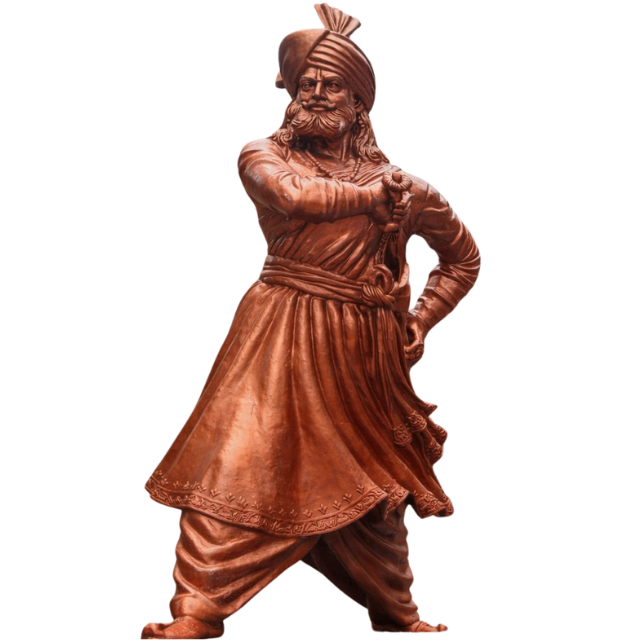
Raja Shankar Shah
Gond Royal Lineage

Heritage of the Gond Kingdom
Rajashankar Shah belonged to the historic Gond dynasty that ruled large parts of Central India for centuries. The Gond rulers were known for establishing strong regional governance, preserving tribal traditions, and building fortified centers that reflected their cultural strength and political authority.

Guardians of Indigenous Identity
The Gond royal family played a vital role in protecting indigenous customs, land rights, and community structures. Their leadership maintained a balance between administrative order and tribal values, ensuring that cultural heritage remained central to governance and public life.

Legacy of Warrior Kings
The Gond lineage carried a proud tradition of resistance against external domination. Rajashankar Shah inherited this legacy of courage and defiance, which later shaped his resolve to stand firmly against British colonial rule during the Revolt of 1857.
Role as King of Jabalpur
As the Gond ruler of Jabalpur, Rajashankar Shah upheld the dignity and traditions of his kingdom during a time of increasing British interference in Central India. His position was not merely ceremonial; he carried the responsibility of safeguarding his people’s land, customs, and political autonomy. He worked to maintain stability within his region while preserving the cultural identity and unity of the Gond community.
Personality & Leadership
Rajashankar Shah was known for his composed yet resolute personality, shaped by royal discipline and deep-rooted tribal values. As a Gond ruler, he carried himself with dignity, humility, and a strong sense of justice. His leadership style reflected balance — he was neither impulsive nor passive, but thoughtful in decision-making and firm in conviction. Those around him regarded him as a guardian of tradition and a protector of community honor.
He believed that a ruler’s strength did not lie only in authority, but in responsibility toward his people. His connection with the tribal population was not distant or symbolic; it was personal and grounded in shared cultural identity. This closeness strengthened trust and loyalty within his kingdom. He valued counsel, listened to elders, and respected community voices, which enhanced his credibility as a leader. Even under the growing shadow of British expansion, he maintained calm composure while internally preparing to defend sovereignty. His personality combined moral courage with political awareness, allowing him to lead with both heart and strategy during one of the most uncertain periods in Central India’s history.
His leadership became most evident during the turbulent years leading up to the Revolt of 1857. At a time when many regional rulers chose compromise for survival, Rajashankar Shah demonstrated quiet determination and principled resistance. He understood that colonial interference threatened not only political control but also cultural identity and indigenous dignity. Rather than openly provoking conflict prematurely, he maintained strategic discretion while building connections with like-minded leaders and supporters.
His courage was not reckless; it was rooted in conviction and responsibility. He inspired confidence among his people by standing firm in moments of uncertainty and by placing collective welfare above personal safety. Even when British authorities intensified surveillance, he did not retreat from his ideals. His eventual arrest and execution revealed the depth of his commitment, as he accepted sacrifice rather than submission. Through strength of character, loyalty to his heritage, and unwavering resolve, Rajashankar Shah embodied the qualities of a leader who placed honor, freedom, and duty above all else.