Legacy Overview
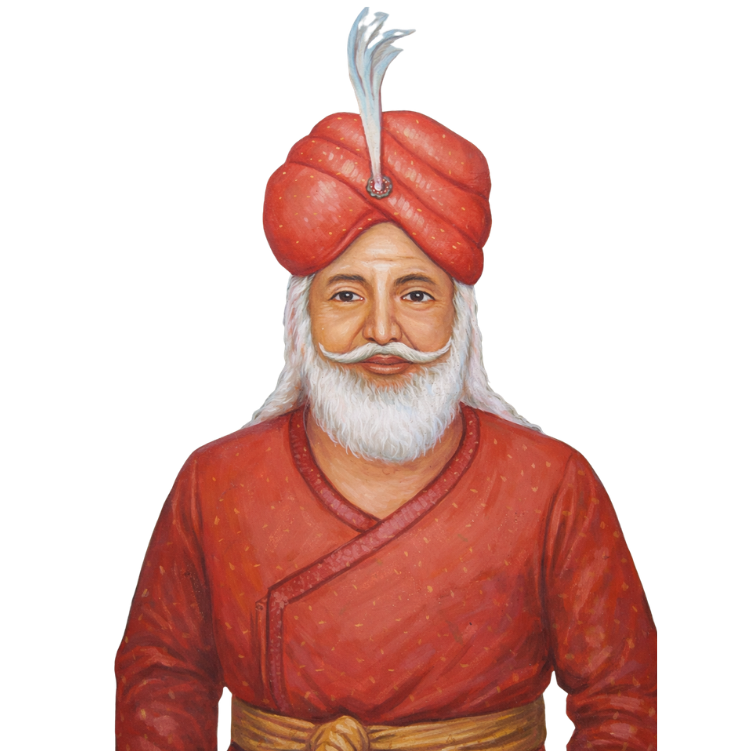
Rajashankar Shah stands as a powerful symbol of tribal courage and royal defiance during one of the most turbulent chapters of India’s history. As a Gond ruler of Jabalpur, he upheld dignity, cultural pride, and political resistance at a time when British colonial authority sought to dominate Central India. His leadership during the Revolt of 1857 was not merely an act of rebellion, but a declaration that indigenous rulers and tribal communities would not surrender their sovereignty without resistance.
His sacrifice, along with his son Raghunath Shah, transformed him from a regional king into a martyr of the freedom struggle. The British execution meant to silence opposition instead strengthened the spirit of resistance among local communities. His martyrdom became a rallying memory for tribal assertion and anti-colonial unity in the region.
Rajashankar Shah’s legacy also represents the intersection of royal heritage and grassroots resistance. Unlike many rulers who chose compromise, he aligned himself with the broader movement for independence. This decision reflected moral conviction, political awareness, and deep responsibility toward his people.
Today, he is remembered not only as a king but as a guardian of Gond pride and a symbol of early tribal participation in India’s freedom movement. His story continues to inspire discussions on indigenous leadership, cultural resilience, and the forgotten heroes of 1857.